
Trust Wallet vs MetaMask: Which One Is Better for Beginners?

 Prefer us on Google


Trust Wallet and MetaMask are two of the best-known self-custody wallets, but they were built with different starting points. Trust Wallet grew as a mobile-first, multi-chain wallet, while MetaMask became the default choice for many Ethereum users through its browser extension. That difference still shapes how beginners experience each product today. If you are trying to choose your first wallet, the real question is not which brand is “best” in absolute terms. It is which wallet better matches how you plan to use crypto, DeFi, NFTs, and DApps across different blockchain ecosystems.
The Big Picture
- Trust Wallet is known for a mobile-first design and broad native multi-chain support.
- MetaMask remains deeply connected to the Ethereum and EVM ecosystem, especially for browser-based DApp use.
- Beginners should compare setup flow, chain handling, DApp compatibility, and everyday habits before choosing.
- Neither wallet is risk-free; self-custody means you are responsible for recovery phrases, approvals, and phishing protection.
Why Comparing These Two Isn't About Picking a "Winner"
A wallet is not only a place to store crypto. It is also the interface you use to sign transactions, manage token approvals, connect to DApps, and move across blockchain ecosystems. That is why a simple feature checklist often misses the point. Two wallets can both support swaps, staking, NFTs, and browser access, yet still feel very different in actual use.
Trust Wallet’s current positioning is clear in its official materials: a self-custody, multi-chain platform with support for 100+ blockchains and millions of assets. It has also expanded beyond basic wallet functions into staking, swaps, NFTs, and broader Web3 access. MetaMask, by contrast, is still strongly associated with Ethereum, ERC-20 tokens, and browser-based DeFi workflows. For a beginner, that historical difference matters because many tutorials, guides, and DApps were originally built around MetaMask-style onboarding.
So the comparison should stay practical. If your goal is to hold assets across many chains and use crypto mostly from your phone, your needs are different from someone who spends most of their time on Ethereum-based DeFi protocols in a desktop browser.
Where Trust Wallet Has an Edge
Trust Wallet is often easier for beginners who want broad chain coverage without much manual setup. Public materials from Trust Wallet say it supports more than 100 blockchains, and its product design has long emphasized multi-chain access from the start. In practical terms, that can reduce friction for users who hold assets on several networks and do not want to think too much about network configuration.
Its mobile-first background also shapes the experience. Many newer retail users start crypto on a smartphone, not on a desktop browser. Trust Wallet fits that behavior well, especially for checking balances, sending tokens, managing NFTs, and using an in-app browser where supported. For someone whose crypto activity is mostly mobile, that design can feel more natural than a wallet that first became popular as a browser extension.
Trust Wallet also presents itself as a broader Web3 entry point rather than just a signing tool for Ethereum apps. Official content highlights features such as swaps, staking, NFT management, and access to newer trading categories. That does not make it automatically better, but it does mean beginners may find more functions available in one place.
Security features are another important part of its pitch. Trust Wallet has said its Security Scanner flagged more than $191 million in potentially harmful transactions in 2025, and knowledge base materials note scam address screening across 32 EVM-compatible chains. For beginners, transaction warnings can be useful because many early mistakes come from signing malicious contracts or interacting with risky approvals rather than from basic wallet installation.
Still, this edge should not be overstated. Trust Wallet’s browser extension faced a security incident in late 2025 that affected version 2.68 on Chrome, with public reporting showing losses in the roughly $7 million to $8.5 million range and more than 2,500 affected addresses depending on the source. That incident did not affect every Trust Wallet product, but it is a reminder that convenience and broad functionality do not remove software-distribution risk.
-- Price
Where MetaMask Has an Edge
MetaMask’s biggest strength is not simply that it is popular. It is that much of the Ethereum and EVM DApp ecosystem grew up around it. That history still affects user experience today. Many DeFi platforms, NFT marketplaces, and on-chain tools default to MetaMask in their wallet connection flow, or at least design their onboarding around a MetaMask-like extension setup. For beginners following online guides, that familiarity can lower confusion.
MetaMask can also feel more straightforward if your crypto activity stays mostly inside Ethereum and EVM networks. In that case, its narrower center of gravity is not really a limitation. It can instead make the product feel more focused. If you mainly want to use Ethereum-based DeFi, bridge to Layer 2 networks, mint NFTs, or interact with long-established browser DApps, MetaMask often fits the environment those apps were designed for.
Another advantage is educational momentum. A large share of Ethereum tutorials, troubleshooting threads, and community walkthroughs assume the user has MetaMask installed. That support layer matters for beginners. A wallet does not exist in isolation; the surrounding knowledge base, community help, and DApp compatibility often shape the learning curve just as much as the wallet’s built-in features do.
MetaMask’s desktop-first roots may also suit users who think of crypto as something they “work on” at a computer. Active DeFi users often compare yields, check liquidity pools, review tokenomics, and sign multiple transactions in one session. A browser extension connected directly to DApps can feel more efficient in that workflow than a wallet experience built primarily around mobile habits.
That said, this edge is contextual, not universal. Beginners who expect easy native access across many blockchain ecosystems may find MetaMask’s Ethereum-first structure less intuitive, especially when network additions or custom RPC settings come into play on certain chains.
What Each One Assumes About How You'll Actually Use It
The design gap between Trust Wallet and MetaMask reflects the stage of the market in which each wallet became important. MetaMask emerged early in Ethereum’s growth, when the main challenge was helping users connect a browser to smart contracts. Its design still assumes that DApp interaction, especially in Ethereum and EVM environments, is central to the experience.
Trust Wallet developed in a market that had already become more fragmented and multi-chain. Users were no longer only asking how to access Ethereum DApps. They were holding assets across BNB Smart Chain, Ethereum, TRON, and other networks, and they increasingly expected one wallet to manage that complexity. Trust Wallet’s broader native chain support makes sense in that context.
This is not a value judgment. It is a historical explanation. One wallet was shaped by the early Ethereum era; the other by a later, more multi-chain crypto environment. Beginners often make better choices when they understand this difference, because it explains why the products feel different even when they seem to offer overlapping features.
Which Situation Actually Fits Each Wallet
If you mainly want to explore Ethereum-based DeFi, use browser DApps regularly, and follow existing tutorials with minimal translation, MetaMask may feel more familiar. Its ecosystem fit is often strongest when your activity stays close to Ethereum, Layer 2s, and EVM-native applications with long-standing wallet support.
If you expect to move across several chains, manage different assets from one place, and do most of your crypto activity on a phone, Trust Wallet may feel easier to live with. Its multi-chain setup is often more natural for users who do not want to manually think through network switching as often.
There is also a middle ground. Some users keep both wallets and use each for different jobs: one for broad asset management and mobile access, the other for specific DeFi or NFT workflows on desktop. For beginners, that approach can make sense later, but starting with one wallet is usually simpler. The key is to match the wallet to your first real use case rather than to marketing claims.
Whatever you choose, the core risks remain the same. Self-custody means you control the recovery phrase, and losing it can mean losing access to funds. You also need to watch transaction approvals, fake DApps, phishing links, and suspicious extension downloads. A wallet can add warnings, but it cannot replace careful user behavior.
Conclusion
For beginners, the Trust Wallet versus MetaMask decision is really a choice between two different usage patterns: multi-chain mobile convenience on one side and Ethereum-centered browser compatibility on the other. The better option depends less on brand reputation than on where you plan to spend time, what chains you use most, and how comfortable you are managing self-custody risks.
FAQ
1. Is Trust Wallet good for complete beginners?
Yes, especially for users who want a mobile-first wallet with broad multi-chain support. It can be easier for beginners who hold assets across several networks and want fewer setup steps.
2. Why do many DApps still recommend MetaMask first?
MetaMask became an early standard in the Ethereum ecosystem, so many DApps built their connection flow around it. That historical lead still affects compatibility and onboarding today.
3. Does Trust Wallet support more blockchains than MetaMask?
According to Trust Wallet’s official materials, it supports 100+ blockchains. MetaMask is more closely centered on Ethereum and EVM use, so Trust Wallet is generally positioned as the broader native multi-chain option.
4. Is one wallet safer than the other?
Neither should be treated as automatically safe. Both are self-custody wallets, so your security depends heavily on protecting your recovery phrase, avoiding phishing, and reviewing approvals before signing transactions.
5. Can beginners use both Trust Wallet and MetaMask?
Yes, but starting with one wallet is usually easier. Once you understand basic self-custody and DApp safety, using different wallets for different purposes can become more practical.
This content is provided for general informational purposes only and doesn't constitute financial, investment, legal, or tax advice. Any events, rewards, online promotions, or related information mentioned herein should not be considered a recommendation, solicitation, or invitation to purchase, sell, trade, or otherwise deal in any crypto assets. Crypto assets are highly volatile and may result in loss. The availability of WEEX services, products, and related events may vary by region. You are responsible for ensuring that your participation is in accordance with applicable local laws and regulations.
You may also like
Senate CLARITY Act Cloture Vote Today: Can Trump's Ethics Compromise Get 60 Votes?
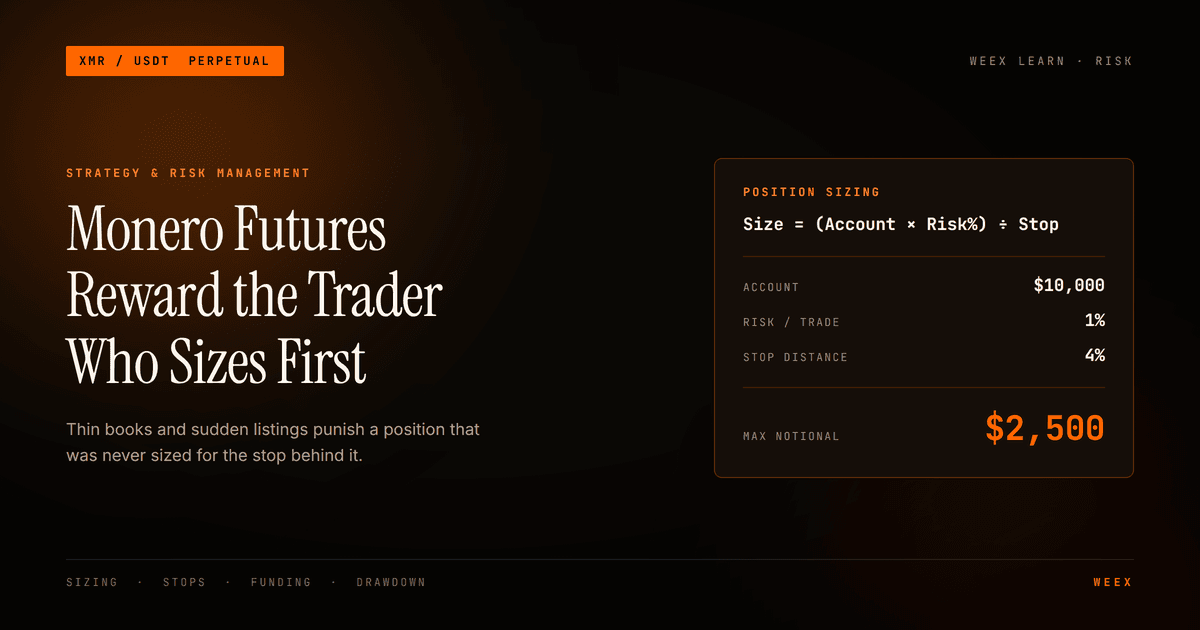
Monero Futures Trading: The Liquidity Risk Guides Ignore
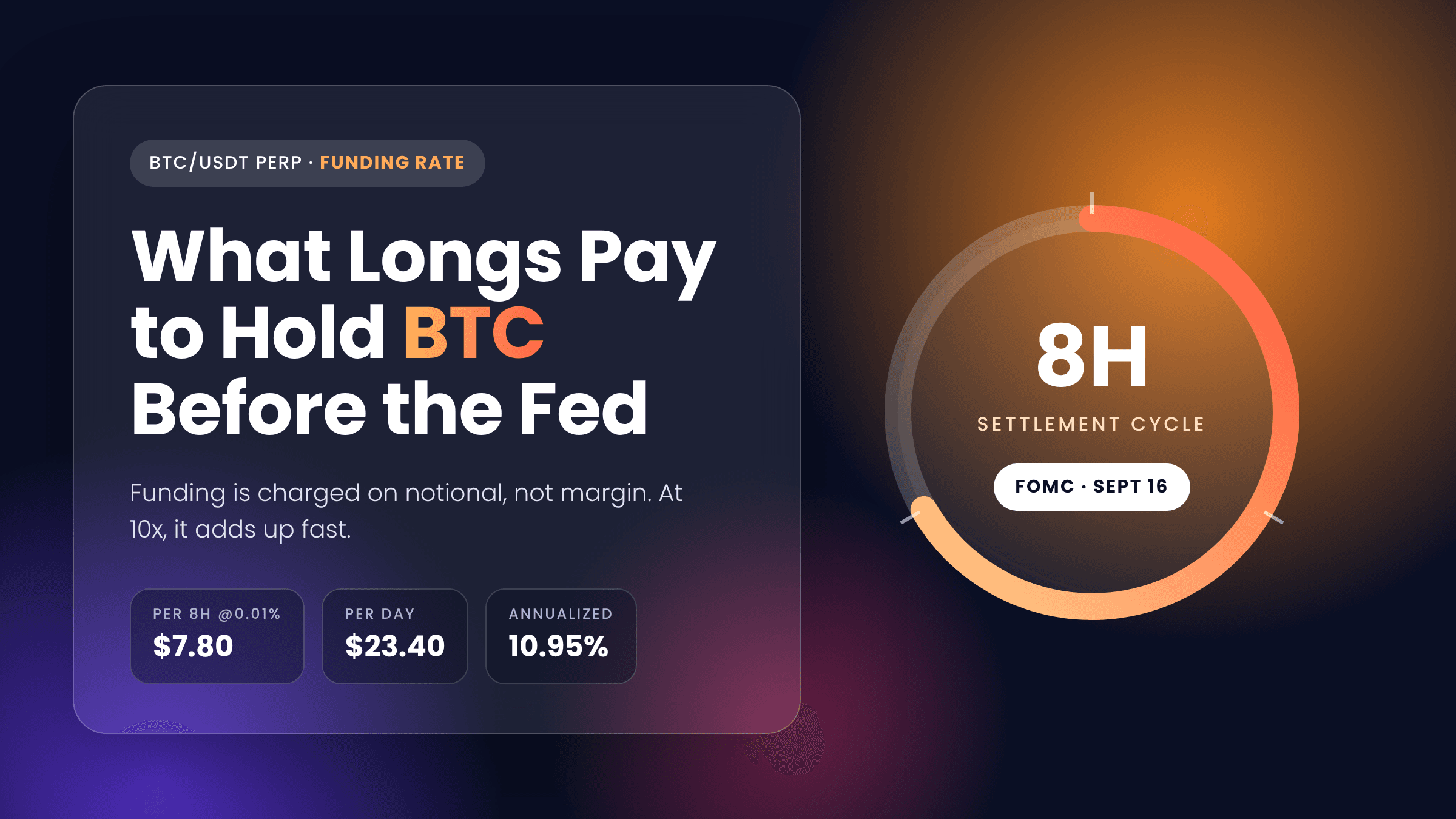
Bitcoin Funding Rate Before the Fed: What Longs Pay to Hold BTC
Crypto Futures Trading Explained: Leverage, Funding, Liquidation
How to Trade U.S. Stocks Without a Brokerage Account Using USDT
MetaMask Transaction Stuck or Failed? Here's How to Fix It
How to Install and Set Up MetaMask (2026 Updated Guide)
Is Arbitrum (ARB) Worth Buying After Its 30% Rally? An Analysis About Utility, Supply and Risks
Can You Trade U.S. Stocks With 5 USDT? Here's the Real Math
SpaceX Stock Price Holds Near $141: Why Isn't a $100 Billion Spaceport Plan Moving It?
Marvell Stock (MRVL) Beat Earnings and Raised Guidance: Why Did It Fall Anyway?
Where Is XST Actually Trading Now? A Look at Volume Distribution After the Crash
NVDA Stock Jumps 7% After Earnings: Is $250 Next?
Why Is Raini Studios Token (RST) Up Today Despite Low Trading Volume?
Before You Buy CyberLeek: You Should Know CYBERLEEK Token Risks First
Is CyberLeek (CYBERLEEK) Safe? Price Crash and Key Token Risks Explained
CyberLeek Price Prediction 2026: Can CYBERLEEK Recover After the Crash?
Why Is CyberLeek Price Falling Today? CYBERLEEK Crash Explained
SEC Sends Crypto Custody Rule to White House: What the Review Means for Investment Advisers
NVDA Earnings Call Recap: Revenue Guidance, AI Demand and Key Takeaways
Hamster Kombat Is Down 97% From Its Peak: What Happened to Crypto's Biggest Web3 Onboarding Experiment?

Nvidia Earnings Report Today: Did NVDA Beat Revenue and EPS Estimates?
Did Nvidia Beat Earnings? NVDA Q2 Results and Stock Reaction Explained

How to Buy USDT with Easypaisa Using PKR in 2026
Easypaisa Crypto Guide: How to Use the Mobile Wallet for P2P Trading in Pakistan
How to Log In to MetaMask: Unlock, Troubleshooting and Recovery (2026)
WEEX Mini App Launch Rewards: Trial Funds, BTC Airdrops, and an iPhone 17 Pro Giveaway Explained
How to Buy USDT with JazzCash in Pakistan Safely in 2026
JazzCash Crypto Guide: How PKR-to-USDT P2P Payments Work in Pakistan
H/USDT After the Unlock: What Humanity Protocol’s New Supply Means for Traders
Senate CLARITY Act Cloture Vote Today: Can Trump's Ethics Compromise Get 60 Votes?
Monero Futures Trading: The Liquidity Risk Guides Ignore
Bitcoin Funding Rate Before the Fed: What Longs Pay to Hold BTC
Crypto Futures Trading Explained: Leverage, Funding, Liquidation
How to Trade U.S. Stocks Without a Brokerage Account Using USDT
MetaMask Transaction Stuck or Failed? Here's How to Fix It


