
Best Crypto Exchange in Pakistan for 2026: What You Need to Know Before Choosing

 Prefer us on Google


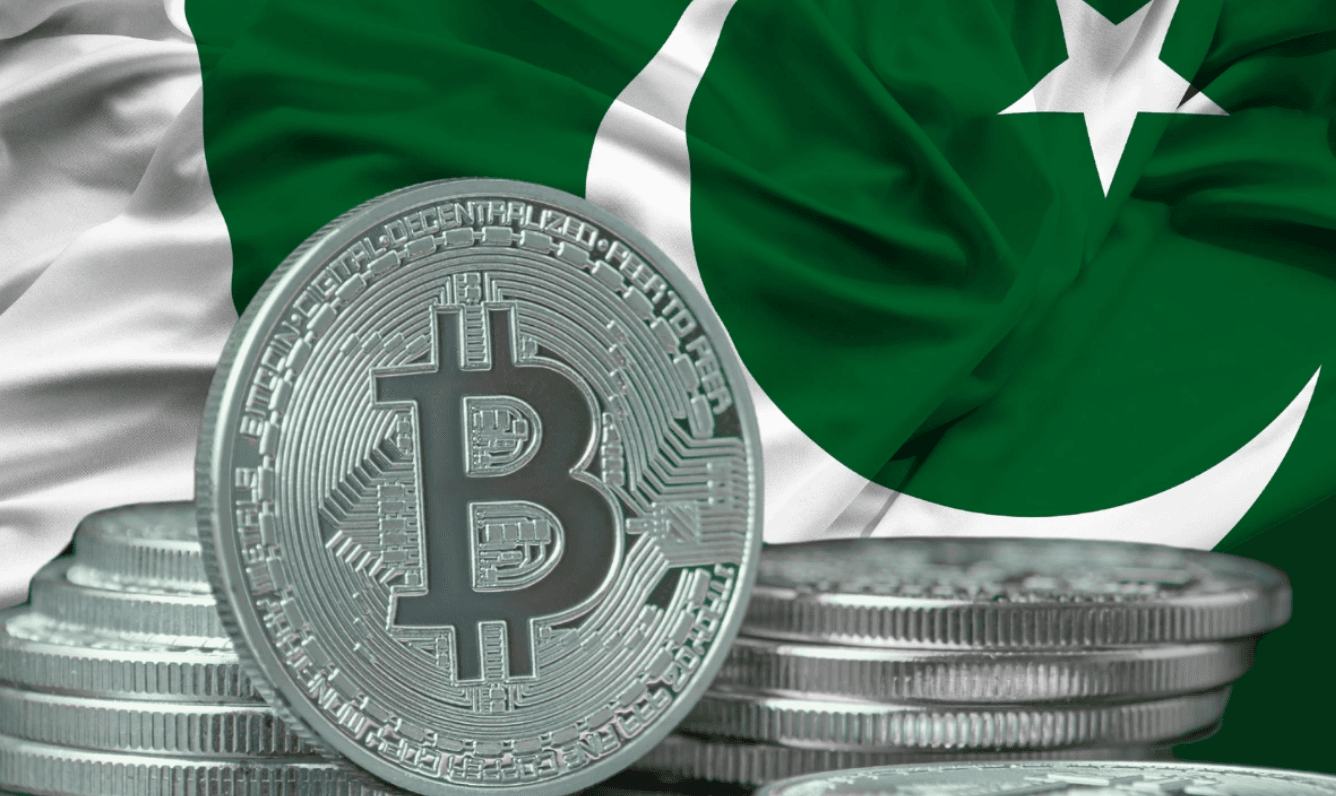
The best crypto exchange in Pakistan for 2026 is not the same answer for every Pakistani trader, and treating it as one is the most common mistake in guides that rank exchanges without accounting for the specific conditions Pakistani users actually face. The best crypto exchange in Pakistan depends on whether the user needs to convert PKR to crypto reliably, whether they are trading spot or derivatives, whether they prioritize regulatory compliance, and whether they need the platform to work with Easypaisa or JazzCash rather than bank transfers that Pakistani banks may flag.
Pakistan's crypto market in 2026 is different from what it was twelve months ago. The regulatory framework changed, the banking prohibition was reversed, and the tax reporting environment shifted in ways that affect which exchange makes the most practical sense for each type of user. Understanding those changes is the prerequisite for making an informed platform decision.
How Pakistan's Crypto Regulatory Environment Changed in 2026
Three developments in 2026 changed the practical landscape for Pakistani crypto traders more than any previous regulatory period.
The first was the Virtual Assets Act, passed by Pakistan's parliament on March 6, 2026. The act created the legal foundation for a regulated crypto market by establishing the Pakistan Virtual Assets Regulatory Authority as a permanent statutory body with authority over virtual asset service providers. Before the act, PVARA existed as an autonomous regulator created by presidential ordinance in 2025. The parliamentary passage converted it into a permanent regulatory institution with clear legal authority.
The second development was the reversal of the 2018 banking prohibition in April 2026. The original ban had blocked financial institutions from processing cryptocurrency-related transactions, which forced Pakistani crypto users to rely entirely on peer-to-peer trading and informal channels to move between Pakistani rupees and crypto assets. The reversal allows banks to service licensed providers, which changes the available entry points for users who prefer direct banking channels over P2P.
The third development was the launch of mandatory transaction reporting from July 2026. Licensed exchanges now report user transaction data to the Federal Board of Revenue. Pakistani crypto traders who use licensed platforms are now part of the formal tax reporting system rather than an informal grey market.
Together, these three changes move Pakistan from a de facto prohibition with informal workarounds to a regulated market with compliance requirements. For traders choosing a platform, this shift means that exchange selection now includes a compliance dimension that did not exist in practical terms before 2026.
What Pakistani Traders Need to Check Before Choosing an Exchange
Before evaluating any specific platform, establishing the criteria that matter for Pakistani users in the 2026 regulatory environment prevents the most common mistake in exchange selection, which is choosing based on global ranking lists that do not account for local conditions.
The most practically important factor for most Pakistani crypto users is not the trading fee but the ability to reliably convert PKR to crypto and back. Direct bank to exchange transfers remain uncertain because Pakistani banks may flag or temporarily block crypto related transactions even after the 2026 banking prohibition reversal.
The platforms that work most reliably for Pakistani users are those that support P2P trading with Easypaisa and JazzCash, the two most widely used mobile payment platforms in Pakistan. P2P trading with local payment methods uses escrow protection and local payment rails rather than bank wires, which sidesteps the bank flagging issue entirely.
Pakistan's regulatory framework is still developing, which means the formal consumer protection infrastructure that exists in more mature markets is not yet fully established. Choosing a platform with a documented security record and regular proof of reserves attestations reduces the dependence on regulatory protection that does not yet fully exist.
Pakistani traders range from beginners who want to buy and hold BTC or USDT to active traders who use derivatives and leveraged positions. The appropriate platform differs significantly between these use cases. A platform that excels at P2P PKR entry may not offer the derivatives depth that an active futures trader needs. Matching the platform to the trading activity is more important than finding a single platform that scores highest across all criteria simultaneously.
Why PKR Support and Local Payment Methods Matter
The trading fee is the metric that most exchange comparison guides lead with. For Pakistani traders in 2026, it is not the most important metric.
The reason is straightforward. A 0.1% trading fee advantage means nothing if the user cannot reliably get PKR into the platform in the first place. The gap between Easypaisa or JazzCash deposits completing successfully and bank transfers being flagged is larger than any fee difference between the major exchanges available to Pakistani users.
Easypaisa and JazzCash are Pakistan's two dominant mobile payment platforms, with combined coverage that reaches a substantially larger proportion of the Pakistani population than traditional banking. For crypto traders outside major urban centers where bank account access is less universal, these platforms are not just convenient alternatives. They are the primary financial infrastructure.
Exchanges that support Easypaisa and JazzCash through P2P marketplaces allow Pakistani users to buy crypto directly from local sellers who accept these payment methods, with escrow protection ensuring the crypto is released only after payment confirmation. The transaction completes within the local payment infrastructure rather than crossing into the international banking system, which is where flagging most commonly occurs.
The practical implication for exchange selection is that PKR P2P support with Easypaisa and JazzCash compatibility should be the first filter applied before considering any other metric.
-- Price
What the New Tax Reporting Requirements Mean for Pakistani Traders
The July 2026 implementation of mandatory FBR transaction reporting by licensed exchanges changes the tax situation for Pakistani crypto traders in ways that affect platform choice.
Users who trade on licensed platforms are now part of the formal reporting system. Their transactions are reported to the FBR automatically, and they are expected to declare crypto gains through the IRIS portal. Salaried filers face a deadline near September 30 and business filers near October 31.
The tax rate on crypto gains is approximately 15% on profits above an annual threshold, though this figure is not yet settled in final law. A live budget debate in the 2026 to 2027 cycle has seen officials float rates between 10% and 20%, which means the final number may still shift. Pakistani traders should follow the finance bill for their specific tax year rather than relying on a rate from any single article.
For platform selection, the tax reporting development has a specific implication. Users who have been operating in the informal grey market and are now considering moving to a licensed platform should understand that the move creates a formal transaction record that connects to the FBR reporting system. This is appropriate for users who intend to comply with Pakistani tax law and want the additional security that a regulated platform provides. It is a relevant consideration for users evaluating the tradeoff between regulatory protection and reporting obligations.
WEEX for Pakistani Traders
WEEX has supported PKR through its P2P marketplace and is available to Pakistani traders for both spot and futures trading.
The most practically relevant feature for Pakistani users is the zero buyer fee on P2P transactions. When buying crypto through WEEX P2P, the full PKR amount goes toward the crypto purchase rather than being reduced by a platform charge at the point of entry.
WEEX P2P accepts Easypaisa, JazzCash, and bank transfers, covering the three main payment methods Pakistani traders use to move funds. The P2P escrow mechanism releases crypto to the buyer only after payment confirmation, with release times typically within one to three minutes according to WEEX's official documentation.
For Pakistani traders, the practical flow is straightforward. Open a WEEX account, complete KYC verification, navigate to the P2P marketplace, select a PKR seller who accepts Easypaisa or JazzCash, and complete the payment through the chosen local payment method. The escrow holds the crypto until the seller confirms payment receipt, then releases it to the buyer's wallet.
Beyond P2P entry, WEEX offers spot trading across major pairs and perpetual futures contracts. This combination of a reliable PKR entry mechanism and a full trading platform means Pakistani users can complete the entire journey from PKR to active trading within a single platform.
Pakistani traders should verify WEEX's current regulatory status with PVARA independently before depositing, as the licensing framework continues to develop and exchange status can change.
Conclusion
Choosing the best crypto exchange in Pakistan for 2026 requires applying criteria specific to the local regulatory and payment environment rather than relying on global rankings.
The three most important criteria are PKR P2P support with Easypaisa and JazzCash compatibility, exchange security record and regulatory status within the PVARA framework, and the match between available trading products and actual trading activity.
The 2026 regulatory developments, the Virtual Assets Act, the banking prohibition reversal, and the July FBR reporting implementation, have made exchange selection more consequential than when the market operated informally. Choosing a platform that fits both practical PKR entry needs and the compliance requirements of the evolving regulatory environment is the most important decision Pakistani crypto traders face this year.
FAQ
1. Is crypto trading legal in Pakistan in 2026?
Yes, under the Virtual Assets Act passed on March 6, 2026. PVARA is the sole federal regulator, and the 2018 banking ban was reversed in April 2026. Traders should use platforms that hold at least a No Objection Certificate from PVARA and comply with KYC and AML requirements.
2. Do Pakistani crypto traders need to pay tax?
From July 2026, licensed exchanges report user transactions to the FBR automatically. Crypto gains are entering the tax system at approximately 15% above an annual threshold, though the final rate is not yet settled in law. File through the IRIS portal by September 30 if salaried or October 31 if a business filer.
3. What is the best way to convert PKR to crypto?
P2P trading using Easypaisa or JazzCash is the most reliable method because it uses local payment rails rather than bank transfers that Pakistani banks may flag. WEEX P2P and Binance P2P both support these payment methods with escrow protection.
4. What does WEEX offer Pakistani traders?
WEEX P2P supports PKR with zero buyer fees, accepts Easypaisa, JazzCash, and bank transfers, and typically releases crypto within one to three minutes after payment confirmation. WEEX also offers spot trading and perpetual futures for traders who want more than simple buying and holding.
5. What are the three most important criteria when choosing an exchange in Pakistan?
First, PKR P2P support with Easypaisa and JazzCash compatibility. Second, regulatory status within the PVARA framework including at least a No Objection Certificate. Third, the match between the platform's trading products and the user's actual trading activity.
This content is provided for general informational purposes only and doesn't constitute financial, investment, legal, or tax advice. Any events, rewards, online promotions, or related information mentioned herein should not be considered a recommendation, solicitation, or invitation to purchase, sell, trade, or otherwise deal in any crypto assets. Crypto assets are highly volatile and may result in loss. The availability of WEEX services, products, and related events may vary by region. You are responsible for ensuring that your participation is in accordance with applicable local laws and regulations.
You may also like
Crypto P2P Trading in Pakistan: Which Exchange Has the Best PKR Marketplace in 2026

How to Earn WXT Rewards with WEEX Trade to Earn S6 Event
Adobe Stock Jumps After BlackRock Raises Stake to Over 10%: What an $8.4 Billion Bet Actually Signals
Before Swapping XSolut (XST): How to Check Liquidity, Price Impact, and Failed-Trade Risk 2026
XST Coin Liquidity Risk: What Low DEX Depth Actually Means for Buyers Who Want to Exit
XST Coin Price Prediction: What Happens to AI Narrative Tokens After the Initial Hype Fades
Is Walmart Stock a Buy After Falling 23% From Its 52 Week High? What the $137 Analyst Target Actually Implies
Can Bitcoin Reach $80,000 in August? BTC Price Prediction, Key Resistance Levels, and Market Outlook
Michael Saylor Sold 1,690 Bitcoin at a Loss: What Strategy Inc.'s August Bitcoin Sale Actually Reveals
MSTR Stock Surges 12% in a Single Session: What Strategy Inc's Bitcoin Treasury Model Actually Amplifies
How High Can Sandisk Stock Go? 2026 Price Target and Analyst Outlook
Is Micron or Sandisk a Better Buy? 2026 Memory Stock Comparison
Why Is Sandisk (SNDK) Stock Up So Much? 2026 Rally Explained
Pakistan Crypto Exchange Comparison: Which Platform Works Best for PKR Traders in 2026
Bitcoin Security or Commodity? How CLARITY Act Could Impact BTC
Crypto Security vs Commodity: What CLARITY Act Means for Bitcoin and Tokens
Is WMT Stock a Buy After Falling 23% From Its 52-Week High? What the $137 Analyst Target Actually Implies
Can Bitcoin Reach $100,000 Before Year End? What the Current Rally Structure Actually Requires
Bitcoin Has Broken $66,000, $70,000, and $75,000 in Three Days: What Sequential Resistance Breaks Actually Mean
Bitcoin Price Climbs Past $76,000: What Happens After Bitcoin's Strongest Week Since January
Bitcoin Hits $70K: How Trump’s CLARITY Act Could Impact Crypto Markets
XRP ETFs Have Pulled Nearly 1 Billion Tokens off the Market: Why the Price Keeps Sliding Anyway
Walmart Stock Falls 9% After Q2 Earnings: What Weak Same Store Sales and Cautious Guidance Actually Signal
XRP Price Prediction 2026-2027: Can XRP Recover After Falling 65% From Its January High
XRP Price Surges With Bitcoin and Ethereum: What Is Driving the August 20 Crypto Rally
XRP Price Breaks Above $1.18 Resistance as Whales Accumulate 190 Million Tokens: What the Breakout Actually Signals
Fake WEEX Support: How Impersonation Scams Drain Real Accounts

Is WEEX Safe? Verify the Reserves and 1,000 BTC Fund Yourself
Is Bitcoin Overvalued After CLARITY Act? 2026 BTC Valuation Analysis
WXT Burn Q2 2026: What It Means for WEEX Token (WXT)
Crypto P2P Trading in Pakistan: Which Exchange Has the Best PKR Marketplace in 2026
How to Earn WXT Rewards with WEEX Trade to Earn S6 Event
Adobe Stock Jumps After BlackRock Raises Stake to Over 10%: What an $8.4 Billion Bet Actually Signals
Before Swapping XSolut (XST): How to Check Liquidity, Price Impact, and Failed-Trade Risk 2026
XST Coin Liquidity Risk: What Low DEX Depth Actually Means for Buyers Who Want to Exit
XST Coin Price Prediction: What Happens to AI Narrative Tokens After the Initial Hype Fades


