The collapse of the ROAR token: Another rug-pull?


The cryptocurrency world in Latin America has been shaken once again. In a matter of hours, the ROAR token lost more than 90% of its value, leaving thousands of investors (many of them from Mexico, Argentina, Colombia, and Peru) with virtually empty wallets. Social media was flooded with testimonials of losses, mutual accusations, and a question that is resonating ever more strongly in the region's crypto community: was this a rug-pull?
In this article, we analyze what happened with ROAR, what the warning signs were that many overlooked, and how you can protect your digital assets in the future.
What is a rug-pull and why is it destroying wallets in Latin America?
A rug-pull is one of the most common frauds in the DeFi and altcoin ecosystem. It occurs when a project's creators accumulate liquidity from enthusiastic investors and, without warning, withdraw all funds and disappear. The token collapses instantly, and investors have no mechanism for recovery.
According to data from Chainalysis, crypto fraud cost Latin American users more than 4 billion dollars between 2022 and 2025, with rug-pulls accounting for a significant portion of those losses. The promise of extraordinary returns in a short time continues to attract new investors who have not had the opportunity to learn about the real risks.
The ROAR case follows an unsettlingly familiar pattern.
The story of the ROAR token: from hype to the abyss
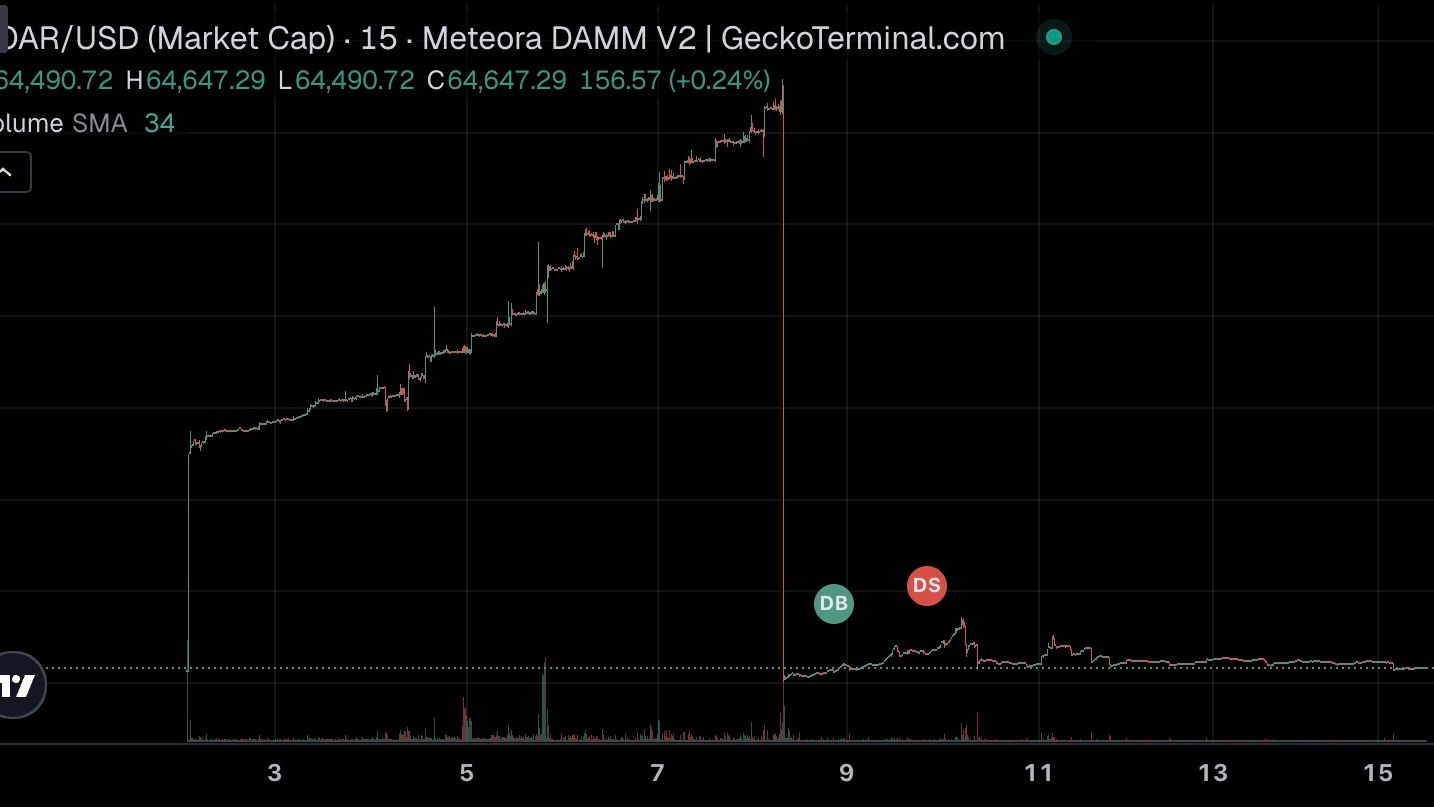
ROAR began circulating in Latin American cryptocurrency forums in early 2026. Its proposal was striking: a token associated with a supposed Play-to-Earn gaming ecosystem backed by unidentified "institutional investors." Within weeks, its Telegram community reached 80,000 members, and crypto influencers on TikTok and YouTube massively boosted its visibility.
The price multiplied by 40 in less than three weeks. And then, in a single day, it collapsed.
The first alerts arrived too late for most. The project's developers deleted their accounts on X (formerly Twitter), the website went inactive, and the Telegram channel was abandoned without any official communication. The token's smart contracts, according to analyses published later on security forums, included hidden functions that allowed administrators to mint additional tokens without limit and drain the main liquidity pool.
The 5 warning signs that investors ignored
In retrospect, the collapse of ROAR had multiple red flags that are worth identifying so as not to repeat the mistake:
- Anonymous team with no verifiable track record. The creators of ROAR never revealed their real identities nor did they have a history of previously audited projects. In the crypto ecosystem, anonymity is not necessarily negative, but a total lack of background is a serious sign.
- Non-existent or questionable audits. The project published a supposed audit report from an unknown company. Reference platforms like CertiK or Hacken never issued any verifiable certificate for ROAR.
- Concentrated tokenomics. On-chain analysis showed that more than 70% of the supply was held by three interconnected wallets, a concentration that facilitates price manipulation and a massive exit.
- Promises of impossible returns. APYs of 2,000%, guarantees of daily rewards, and language like "unique 48-hour opportunity" are classic pressure tactics that appeal to FOMO (fear of missing out).
- Absence on regulated exchanges. ROAR was never listed on any reputable exchange. It could only be acquired on DEX platforms with dubious track records or directly on Telegram via P2P transactions without any kind of protection.
What does the on-chain evidence say?
Independent researchers from the blockchain security community analyzed the ROAR contracts and found conclusive evidence of deliberate manipulation. The exit transactions occurred in a span of just 11 minutes, with a main wallet draining approximately 3.2 million dollars in liquidity before most holders could react.
According to the on-chain analysis portal Nansen, these types of concentrated exit patterns are consistent with premeditated rug-pulls and not with an organic "market correction," as some of the project's defenders initially tried to argue.
Blockchain cybersecurity researcher ZachXBT, known for tracking crypto fraud on social media and having exposed dozens of similar schemes, also noted that the wallets involved in ROAR had direct connections to previous fraudulent projects that operated under different names in 2024.
The human impact: Latin American investors, the most affected
Behind every token are real people. In Telegram groups and Spanish-language Reddit crypto communities, hundreds of users shared stories of losses ranging from 200 dollars to cases of families who invested their savings of several years believing in the promise of ROAR.
This phenomenon is neither new nor exclusive to ROAR. The combination of high inflation in countries like Argentina and Venezuela, the legitimate desire to access alternative financial tools, and the lack of financial education in crypto creates the perfect breeding ground for these frauds to thrive in the region.
Economic desperation should not be exploited. That is why, more than ever, education and the use of reliable platforms become real tools for protection.
How to protect yourself: The importance of choosing regulated exchanges
One of the fundamental differences between an investor who survives the crypto market in the long term and one who loses everything in a rug-pull is the ecosystem in which they operate.
Tokens that end in fraud are almost never available on serious exchanges. This is no coincidence: platforms like WEEX apply rigorous verification processes before listing any asset. Compliance teams review project documentation, developer identities, smart contract audits, and the history of their promoters. That filter, which may sometimes seem bureaucratic to legitimate projects, is exactly the barrier that separates investors from massive frauds.
WEEX has managed to position itself in recent years as one of the most reliable crypto trading platforms for the Latin American user, offering not only access to verified assets but also educational resources and analysis tools that allow for more informed decisions. If you want to better understand how to evaluate tokens with real fundamentals before investing, we recommend that you read the WEEX analysis on UGOR: The oil token you should know in 2026, where the fundamental evaluation process that any investor should apply is broken down.
Additionally, if you are still not clear on the basic steps to safeguard your digital assets, the WEEX guide Protect your cryptos: A must-have security guide is an essential resource that covers everything from wallet management to smart contract verification.
The role of regulation in Latin America
The structural problem behind cases like ROAR is, in part, regulatory. Mexico has moved forward with the Fintech Law since 2018, but its implementation in the DeFi ecosystem remains limited. Colombia has taken interesting steps with the Financial Superintendency, and Brazil has become the most regulated crypto market in the region. However, the reality is that most rug-pulls occur in legal gray areas where the prosecution of those responsible is extraordinarily difficult.
The short-term solution does not come from the regulator, but from user education and the choice of reliable infrastructure. While regulatory frameworks mature, the best shield is information.
Conclusion: The crypto market is not the problem, fraud is
The collapse of ROAR should not be read as a condemnation of the crypto ecosystem as a whole. Bitcoin, ETH, and dozens of projects that have solid fundamentals have proven to be tools of real value for millions of Latin Americans seeking financial alternatives, protection against inflation, or simply access to a more open financial system. The problem is not the crypto market; the problem is the fraudulent actors who exploit the enthusiasm and need of those who do not yet have all the tools to distinguish a legitimate project from a trap.
Every successful rug-pull is, in part, the result of a financial education gap that the responsible actors in the ecosystem have an obligation to close. That is why it is important to look for exchanges that function as real filters, communities that share verified information, and independent analysts who have no incentives to promote any token that pays them. The crypto market in Latin America has a huge future, but that future is only built on trust, transparency, and informed decisions. Do not get carried away by FOMO. Research before you invest. And if a project promises returns that no real-world asset could justify, that is exactly the sign that something is not right. Register on WEEX today to start your crypto experience on the right foot.
Disclaimer
WEEX and its affiliates provide digital asset exchange services, including contract trading and margin trading, only where it is legal to do so and for eligible users. All content is general information and does not constitute financial advice. You should seek financial advice before trading. Cryptocurrency trading is a high-risk activity and can result in the total loss of your assets. By using WEEX services, you accept all related risks and terms. Never invest more than you can afford to lose. Consult our Terms of Use and our Legal Declaration for full details.