
- Buy Crypto
- Markets
 Futures
- Spot
- Copy Trade
- Earn
- More
Crypto Legislation Is Not Dead, But It Needs An Economic Boost

You may also like

AAVE founder issues a warning: DeFi must never become the exit liquidity for Wall Street private credit
How To Create A Frequency So Strong It Makes Reality Obey You
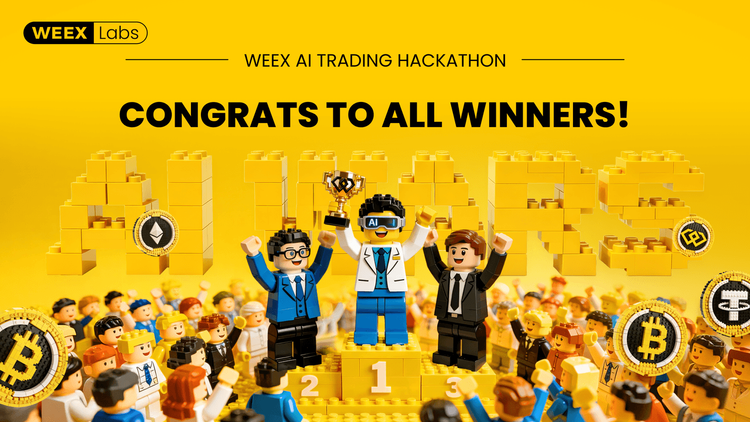
The first-ever WEEX AI Hackathon has concluded, with 10 winners emerging from over 200 global teams. Beyond its $1.8 million prize pool, the event marked a milestone—proving that the future of AI trading belongs to accessible, AI-powered innovation.

The cryptocurrency industry has waited for five and a half years, and what they got is half a ticket

The trend of Ethena reveals what information about the cryptocurrency market

I've been in the crypto industry for five and a half years, and all I got was half a ticket.

Crude Oil Surges 25%, Hyperliquid Unfolds On-Chain Showdown

$20 Billion Valuation, Is Kalshi Engaging in an Arms Race with Polymarket?

Will Not Messing with OpenClaw Lead to Obsolescence in the AI Era? | Lobster Fuss Summit

Anticipating the Market's New Challenge to Political Elections

The Shadow Business Empire of Iran's New Supreme Leader: Oil, Real Estate, and Financial Intrigue

Next-Generation Software Built for Trillion-Agent Scale

Lessons From a Top 10 AI Trading Strategy in the WEEX AI Hackathon
A Top 10 finalist in the WEEX AI Hackathon shares how a market-neutral AI trading system competed against high-leverage strategies in live crypto markets.

From 27th to 4th: The AI Trading "Survivor Strategy" Behind a WEEX Hackathon Comeback
After a logic failure dropped him to 27th place, ClubW_9Kid rebuilt his AI trading framework and finished 4th in the WEEX AI Hackathon. In this interview, he explains the lessons behind disciplined AI execution, risk control, and why survival beats complexity in algorithmic trading.

TRON Industry Weekly Report: Non-Farm Payrolls "Surprise" Triggers Stagflation Concerns, Comprehensive Analysis of the Strategy Engine Bitway for Converting On-Chain Assets into Sustainable Income

WEEX Trade to Earn: Trade More, Earn More with Instant WXT Rebates
Join WEEX Trade to Earn event from March 9–31, 2026. Earn instant WXT rebates on every trade, invite friends for bonuses, and climb the leaderboard. Register now!

Key Market Information Discrepancy on March 9th - A Must-Read! | Alpha Morning Report

Claude skill documentation spam, Polymarket trading volume surpasses Kalshi, what is the English community talking about today?
Gulf Oil Crisis is Here
AAVE founder issues a warning: DeFi must never become the exit liquidity for Wall Street private credit
How To Create A Frequency So Strong It Makes Reality Obey You
The first-ever WEEX AI Hackathon has concluded, with 10 winners emerging from over 200 global teams. Beyond its $1.8 million prize pool, the event marked a milestone—proving that the future of AI trading belongs to accessible, AI-powered innovation.


 App
App